delicata squash stuffed with fagiolina del Trasimeno and leeks / zucca ripiena di fagiolina del Trasimeno e porri

delicata squash stuffed with fagiolina del Trasimeno (cowpea) and leeks / IMG_1486

dinner, plain and simple
(linen by La FABBRICA del LINO)

The Cooking Gene by Michael Twitty1, the current selection of the Cook the Books club, is a captivating read and a book difficult to describe in a few words: world history, food history, personal memories, travels all play a part in the story, which has an epic reach, encompassing centuries and large spaces, using the author's family tree as guide.

Even before reading the book, I knew Twitty is a great story teller, whether he talks about a specific dish or is inhabiting the lives of his enslaved ancestors. I understand his need to know, his stubborn following all the threads that tie his life to those of his forebears. It as a special kind of religious pilgrimage. Whatever your specific interests, you will find the book fascinating, as it weaves foodways into the quilt of people's migration, mostly (though not all) forced.

fagiolina del Lago Trasimeno / Lake Trasimeno cowpea / IMG_3057

white and "rainbow" fagiolina varieties
(linen by La FABBRICA del LINO)

While the book includes a number of recipes, I decided to mirror the woven stories and make something that would represent my own journey from Perugia (Italy), where I was born and grew up, to Milan, where I lived for almost 10 years, to Northern California, where I have been living for over 20 years. A special connection to the book is provided by fagiolina del (Lago) Trasimeno, a legume typical of my home region of Umbria, which is a cultivar of cowpea2, Vigna unguiculata, closely related to black-eyed peas, one of the crops brought from Africa to America on slave ships. Besides being pretty, fagiolina is a pleasure to eat: tender, buttery and flavorful. I buy it at the Antica Spezieria e Drogheria Eredi Bavicchi3 in Perugia, one of my favorite stores in the world. 

Growing up, I never ate leeks: my mother didn't cook them nor did any of my relatives. I "discovered" leeks when I moved to Milan, thanks to one of my roommates who made a killer leek gratin. When available, I purchase leeks at the farmers' market and can eat industrial quantities of the delicately flavored member of the allium family.

Candystick Dessert Delicata squash / IMG_1491

Candystick Dessert Delicata squash
grown by Shakefork Community Farm

Zucca is another ingredient that was absent in my early life's diet for the same reason as leeks. It appeared in some meals I had while living in Milan, since it is an ingredient of traditional northern Italian dishes, like risotto and tortelli. I would see wedges sold in grocery stores, but I wasn't a cook back then and the unfamiliarity always won. After I moved to California, I learned to appreciate the many varieties of winter squash and pumpkins grown by local farmers and I am always ready to taste new ones. Most recently, Candystick Dessert Delicata squash4, grown locally by Shakefork Community Farm5. Its thick flesh has a delicious date-like flavor.

fagiolina del Trasimeno and leeks / IMG_1484

delicate fagiolina meets delicate leeks

So here is my quilt dish: fagiolina and leeks as stuffing for delicata squash, with some fresh chèvre to brighten the combination (omit the cheese to make a vegan version).

Print-friendly version of briciole's recipe for Delicata squash stuffed with fagiolina of Lake Trasimeno and leeks

Ingredients:

  1. 1/2 cup / 3.25 ounces / 92 g fagiolina del Trasimeno (either white or rainbow variety)
  2. 1 1/2 cups / 350 ml water
  3. 1/2 small onion, halved
  4. 1/2 garlic clove
  5. A small bay leaf
  6. A handful of parsley stems
  7. A 1-inch / 2.5 cm piece of kombu (optional)
  8. 1/8 teaspoon fine sea salt
  9. 8 ounces / 225 g leek, white and light green portion, clean weight (set aside the dark green portion to make broth or stock)
  10. 2 tablespoon / 30 ml extra-virgin olive oil
  11. Leaves of a handful of fresh thyme sprigs
  12. Fine sea salt, to taste
  13. A pinch of freshly ground black pepper
  14. 2 medium delicata squash: I used the Candystick Dessert variety
  15. 2 ounces / 56 g fresh chèvre

Note: there are four parts to the recipe. The first three can all be made ahead of time. The fagiolina and leek mix is enough to stuff 4 squash halves and serve 4 people.

Cook the fagiolina
Rinse the fagiolina. Add fagiolina and all the aromatics (ingredients #3 through 8) to the water. Stir, cover and bring to a boil. Turn down the heat and let the fagiolina cook, covered, until it is tender. Let the fagiolina cool in the broth, then remove the aromatics and discard them.

Cook the leeks
Cut the leek(s) in half lengthwise and slice into 1/8 inch / 3 mm half-moons. Rinse well in a colander
, then place in a bowl and fill it with cold water. With your hands, swirl the leeks to clean them well, then scoop them out of the water with a sieve or slotted spoon and drain them in a colander.

Warm up a cast-iron skillet, then add the oil. Add the leeks, stir well and cook for a couple of minutes. Add the thyme leaves and stir well and cook for a couple of minutes. Cover the skillet and cook on gentle heat until the leeks are soft, stirring every now and then. (The time it takes depends on how fresh the leeks are.) Sprinkle a pinch of salt and the black pepper and stir.

Add the fagiolina to the leeks and stir well. There should be 2 tablespoons / 30 ml of its cooking broth in it (drain the excess if needed). Cook for a couple of minutes, then take off the heat. Adjust the salt as needed.

Roast the squash
Preheat the oven to 375 F / 190 C. Cut a thin slice of squash to remove the stem, then cut the squash in half lengthwise. Remove seeds and strings (a grapefruit spoon is my favorite tool to do this).

Place the squash, cut side down, on a baking sheet lined with a silicone baking mat. Bake the squash 35-40 minutes, or until soft (easily pierced with a pointed blade).

Finish the dish
Preheat the oven to 375 F / 190 C. Line a baking sheet with a silicone baking mat.

Crumble the cheese, divide it into 4 equal parts and distribute into the cavity of each squash half.

Divide the stuffing into 4 equal parts and pile it into the cavity of each squash half, pressing down with a spoon to make it stable. Bake the squash 12-14 minutes, until hot throughout. Take the baking sheet out of the oven and serve the squash immediately.

One of the nice characteristics of delicata squash is that, if not stored for long, the skin is edible. To eat the squash half, I slice it crosswise, then cut each slice in half.


1 The book's website
2 History of cowpea on wikipedia
3
Antica Spezieria e Drogheria Eredi Bavicchi

4 Candystick Dessert Delicata Squash details
5 Shakefork Community Farm website


Click on the button to hear me pronounce the Italian words mentioned in the post:

zucca ripiena di fagiolina del Trasimeno e porri

or launch the zucca ripiena di fagiolina del Trasimeno e porri audio file [mp3].

[Depending on your set-up, the audio file will be played within the browser or by your mp3 player application. Please, contact me if you encounter any problems.]


CtBThis is my contribution to the current selection of our Cook the Books hosted by me, Simona of briciole. (You can find the guidelines for participating in the event on this page.)

The roundup of the event.


Mlla122I contribute my dish also to My Legume Love Affair #122, the current edition of the popular, legume-centered event created by Susan, The Well-Seasoned Cook, now organized by Lisa of Lisa's Kitchen, and hosted this month by Renu of Cook with Renu.

The roundup of the event.


FTC disclosure: I have received the linen free of charge from the manufacturer (la FABBRICA del LINO). I have not and will not receive any monetary compensation for presenting the product on my blog. The experience shared and the opinions expressed in this post are entirely my own.


cowpeafagiolinaleeksquashItalian food

My Legume Love Affair #101: the roundup

MLLa 101
Hosting the 101st edition of MLLA, created by Susan of The Well-Seasoned Cook and now hosted by Lisa of Lisa's Kitchen was, as in previous occasions, a great pleasure. Throughout the past month, I have received contributions from around the world, delicious variations on the theme of legumes.

Hosting an event means having the pleasure of collecting and then sharing the collection — of savoring in solitude each dish as it is submitted to me, and then inviting everybody to the final banquet. It was a great pleasure to welcome new participants to the party and to say Hi! to old acquaintances.

I am presenting the contributions in the order I have received them. For each submission, I will give you the official information (author, blog name and post title) and a brief description that summarizes it — a tiny taste that will entice you to follow the link and read the details.

Now, please, make yourself comfortable, then follow me on a journey of flavors, colors, traditions and culinary creativity.


image from 1.bp.blogspot.com
Siri of Cooking with Siri shares with us Gongura Pappu (Sorrel Leaves Dal) With Peanuts
"The only hard part is to remove the sorrel leaves from their stems and rest is just a breeze. If you have never made this version of dal before, I urge you to try some."


image from 2.bp.blogspot.com

Lisa of Lisa's Kitchen presents Sweet Potato, Chickpea and Spinach Curry with Green Peas
"What is distinctive about this curry is not only the creaminess, but the satisfying blend of hot and aromatic spices that accompany the sweet earthiness of the vegetables."


image from 3.bp.blogspot.com

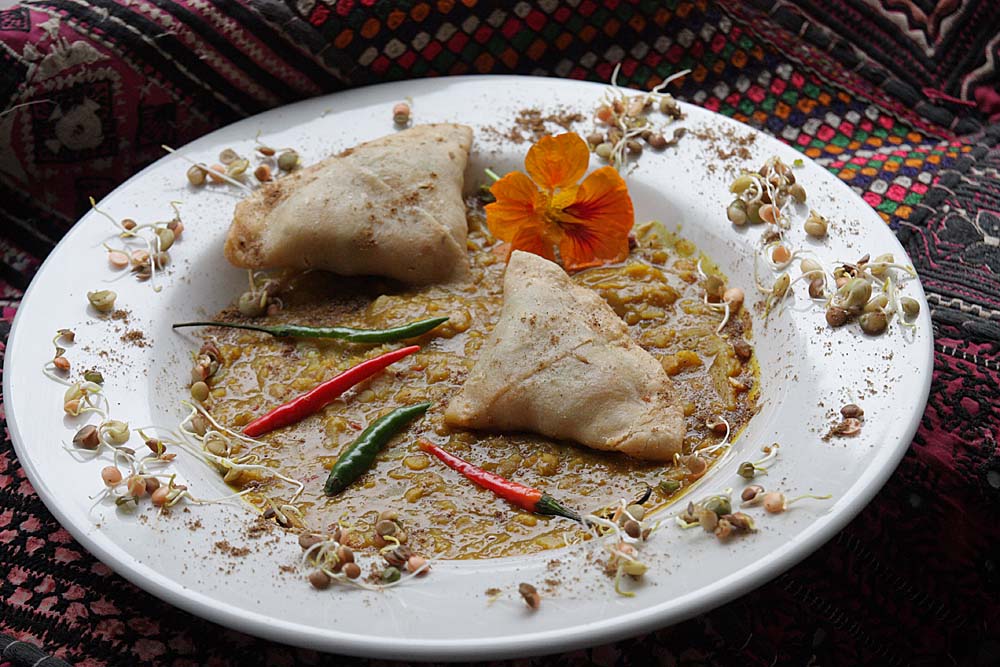
Shaheen of Allotment2Kitchen prepared Burmese Yellow Split Pea Samosa Soup
"Two of my favourite dishes on one big bowl: South Asian style spicy Dal and deep fried triangles of delicious Samosa."


image from 1.bp.blogspot.com

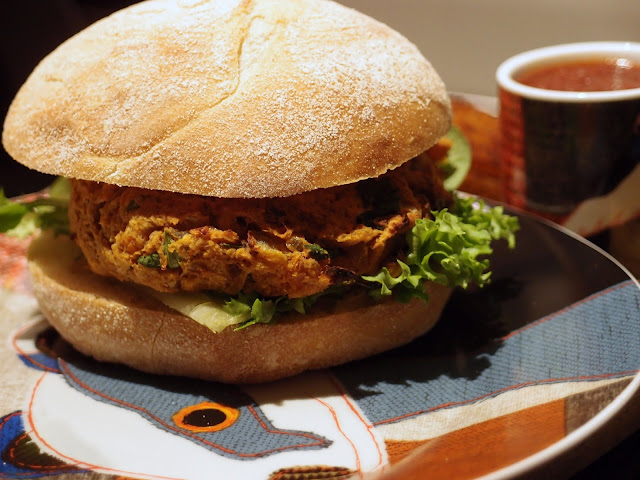
Heta of The VegHog offers Chickpea and root vegetable burgers 
"These are my vegan, rustic, low fat burger patties made with root vegetables, chickpeas and spices."


image from tastespace.files.wordpress.com
Janet of The Taste Space prepared Autumn Chickpea and Lentil Soup 
"Tomatoes, kale, sage, oregano and basil along with two kinds of beans, chickpeas and lentils. The flavours melded into a glorious soup of deliciousness."


image from 2.bp.blogspot.com
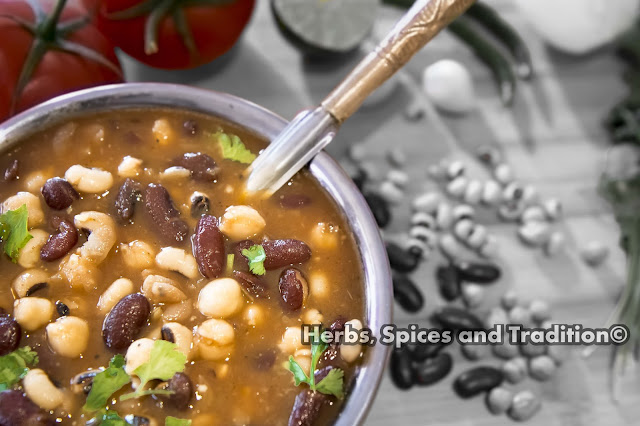
Sadhna of Herbs, Spices and Tradition prepared Four Bean Curry
"This curry is a fusion dish in which I added four types of beans-Red kidney beans, white chickpeas, white broad beans/soya beans and black eyed beans." 


image from i0.wp.com

Ali of Fix Me a Little Lunch shared Lentil and Delicata Squash Bowl
"Beluga lentils are cute, tiny lentils that cook quickly and have a nutritional punch. Delicata squash is just wonderful"


Bean salad with tahini sauce and Asian pear / DSC_8073

Flavors from around the world

Simona of briciole, your host for this edition, shared Purgatory bean salad with tahini sauce and Asian pear
"fagioli del Purgatorio (Purgatory Beans) are small white beans grown on the volcanic soil of a beautiful region of Italy, around Lago di Bolsena"


 Thank you so much to all who participated to this edition of MLLA!

I believe all the submissions I have received are presented in the roundup. However, mishaps are part of life, so if you find anything missing or in need of amendment anywhere in the roundup, please do let me know.

A beautiful set of legume-centered dishes awaits you. I am sure that you'll be inspired by the recipes presented. Heta of The VegHog is hosting My Legume Love Affair #102 and will be happy to receive your contribution(s) to the event. The deadline for submitting your legume dish is December 31. You can always find out who is hosting on this page.

Purgatory bean salad with tahini sauce and Asian pear / insalata di fagioli del Purgatorio con tahina e pera asiatica

Bean salad with tahini sauce and Asian pear / DSC_8073

Flavors from around the world

Federico García Lorca1 is one of my favorite poets, so when I came across a novel whose protagonist's name was Lorca, I had to read it: I am glad I followed my impulse. Jessica Soffer's Tomorrow There Will Be Apricots2 is the current selection of our Cook the Books Club. The book brings together a group of people who all carry a heavy burden of pain: the pain of exile from homeland and from motherhood, the pain of an aloof mother and an absent father, the pain of loneliness, abandonment, inadequacy. Food is one way through which the novel's characters work through the destruction such pain causes in their life. All of them find that what they believed or hoped to be true wasn't, and the shock of discovery if partly absorbed by food.

While at times the plot didn't flow quite smoothly, what kept my attention alert was the shared yearning for a connection with someone close to us. We often express that yearning in awkward ways, but it is a cry that wants to be heard and we should honor it in ourselves and others. One of the ways in which such cry materializes in the novel is the determination of Lorca to replicate a dish her chef mother has praises above anything else she has ever eaten. On the one hand the dish acquires mythical qualities, on the other we know it is a stand-in for something different, but we go along and cheer Lorca in her quest. She is helped by Victoria, a recently widowed Iraqi Jewish immigrant who used to run a restaurant. 

fagioli del Purgatorio / IMG_0565

fagioli del Purgatorio (Purgatory Beans)

There is plenty of food in the novel and the reading made me focus on how many different foods contribute to my culinary world. I am also an immigrant, so there are foods I got to know in my country of origin, Italy, and foods I met in my adoptive country and I use all of them in my kitchen. While I sometimes have nostalgia for a specific food item or dish, I find inspiration in what I have available and like to explore flavors that were unknown to me when I was growing up. 

In honor of Victoria's Iraqi heritage, I thought it was time I made my own tahini and made it using toasted sesame seeds (semi di sesamo tostati). I then used it to make a sauce with which I dressed fagioli del Purgatorio (Purgatory Beans)3, small white beans grown on the volcanic soil of a beautiful region of Italy, around Lago di Bolsena4I bought them from my trusted legume provider in Perugia5, attracted by their name. I later read about the century old tradition of Pranzo del Purgatorio in the town of Gradoli. Every year on Fat Thursday the group of men called the Fratellanza del Purgatorio goes around asking people for contributions, products that are then sold at auction to finance the Pranzo which occurs on Ash Wednesday and on whose menu the beans are prominently featured6

sesame seeds raw and toasted / IMG_5211

sesame seeds toasted and raw

The small beans cook relatively quickly, are firm in texture and delicate in flavor. I dressed them with tahini sauce, something that would probably raise a few eyebrows in their homeland, where they are served dressed with the local olive oil. Some finely diced Asian pear offers a nice lightly sweet contrast to the earthy beans and the intense tahini.

Print-friendly version of briciole's recipe for Purgatory bean salad with tahini sauce and Asian pear

Ingredients for toasted sesame tahini:

  • 1 cup /150 g / 5 1/4 ounces white sesame seeds
  • 2 tablespoons / 30 ml extra-virgin olive oil
  • 1/4 teaspoon fine sea salt

Ingredients for the beans:

  • 1 cup / 200 g / 7 ounces fagioli del Purgatorio or other small beans (see Notes below)
  • 3 cups / 700 ml water
  • A bay leaf
  • 2 garlic cloves, peeled
  • A 1-inch / 2.5 cm piece of kombu (optional)
  • 1/4 teaspoon fine sea salt

Ingredients for the tahini sauce:

  • 1/4 cup / 60 ml tahini, homemade or store-bought
  • 1/4 cup / 60 ml water
  • 4 teaspoons / 20 ml fresh lemon juice
  • 1/4 teaspoon fine sea salt
  • 2 roasted garlic cloves, peeled and crushed OR 1 garlic clove, peeled and minced

Additionally:

  • 1/2 teaspoon fine sea salt, or to taste
  • Asian pear (any variety)

Notes: You can use another variety of beans. The cooking time will vary. Also, you can purchase the tahini, rather than make your own, and follow the recipe starting from cooking the beans. 

How to make toasted sesame tahini
Toast the sesame seeds in a dry skillet on medium heat until they are tanned and fragrant. Shake the skillet often or stir the seeds with a spatula. This will take just a few minutes, so guard the seeds like a hawk: they will burn easily. Transfer the seeds to a plate and let cool completely.

Process the sesame seeds in a small food processor or blender until a thick paste forms. Add the olive oil and process until smooth. Add sea salt and process briefly to distribute. Transfer the tahini to a glass jar and refrigerate until ready to use. 

How to cook the beans
Rinse the beans then place them in a saucepan with the water, bay leaf, garlic, kombu (if using) and salt. Bring the water to a lively boil quickly, and keep it there for two minutes, then turn down the heat and let the beans simmer, covered, until they are tender. Taste them after 1 hour and estimate if/how much longer they should cook.

Let the beans cool in their broth, then remove the aromatics and discard them. Let the beans rest in their cooking broth until ready to use.

How to make tahini sauce
Rather than raw garlic, I prefer to use roasted garlic, whose flavor is more muted. As I use the oven often, it is easy for me to wrap a few unpeeled garlic cloves in foil and put them in the oven for 10-15 minutes, depending on the oven temperature. 

Whiz all the tahini sauce ingredients until smooth. You will get more than you need for the beans, but this sauce can be used to dress roasted or steamed vegetables.

How to finish the dish
Drain the beans. (I use the bean broth in soups.) Add 1/2 teaspoon sea salt and stir well.

Finely dice the pear. Depending on its size, you probably won't need it all.

For each portion, place 1/2 cup of beans in a bowl, add 2 tablespoons of the diced pear and stir. Drizzle one tablespoon of the tahini sauce on the top. Serve with additional tahini sauce on the side.

Serves 4.

bean salad with tahini sauce and Asian pear / DSC_8069

add broccoli and you have a nice meal

The result may not be a vibrantly colored dish, but it is one that surprises with its flavor. It's not Purgatory, but a small, simple Paradise.


1 Federico García Lorca
2 Tomorrow There Will Be Apricots by Jessica Soffer
 
3 Fagioli del Purgatorio (Slow Food)
4 Lake Bolsena
5 Drogheria Bavicchi 
6 Pranzo del Purgatorio: This announcement of the 2014 edition says that the lunch prepared will feed 2,000 people. For it, 550 pounds of beans will be cooked, besides large quantities of various types of fish, as on Ash Wednesday, the first day of Lent (Quaresima), traditionally no meat is consumed.


Click on the button to hear me pronounce the Italian words mentioned in the post: 

insalata di fagioli del Purgatorio con tahina e pera asiatica

or launch the insalata di fagioli del Purgatorio con tahina e pera asiatica audio file [mp3].

[Depending on your set-up, the audio file will be played within the browser or by your mp3 player application. Please, contact me if you encounter any problems.]


CtBThis is my contribution to the current selection of our Cook the Books hosted by me, Simona of briciole. (You can find the guidelines for participating in the event on this page.)

The roundup of the event.


MLLA101I contribute my dish also to My Legume Love Affair #101, the current edition of the popular, legume-centered event created by Susan, The Well-Seasoned Cook, now organized by Lisa of Lisa's Kitchen, and hosted this month by me, Simona of briciole.

The roundup of the event.


Souper Sundayslogo Finally, I am contributing my bean salad also to Souper (Soup, Salad & Sammies) Sundays, a weekly event created by Deb of Kahakai Kitchen, who is also a co-host of our Cook the Books club.

The roundup of the event.


beanstahinisesame-seedsbean saladAsian pearItalian cuisine


annuncio / announcement: My Legume Love Affair #101

MLLA101
I have the honor of being the host for the November 2016 edition of My Legume Love Affair (MLLA), the popular, legume-centered event that is the brainchild of Susan of The Well-Seasoned Cook and has been hosted by Lisa of Lisa's Kitchen since February 2013.

Participation in the event revolves around a recipe that showcases one or more legumes. The recipe can be savory or sweet but must be vegetarian. The legume (or legumes) must be one of the main ingredients, not a minor character. (Exceptions to this general rule are legumes whose flavor is so intense that they are used in small quantities, like tamarind and fenugreek.)

Example of legumes include (but are not limited to):

  • fresh or dried beans of any kind
  • lentils
  • chickpeas, a.k.a., garbanzo beans (fresh or dried or their flour, a.k.a., besan)
  • peas (fresh or dried or their pods)
  • fava beans (fresh or dried)
  • soy beans (fresh or dried, or their derivative products, like tofu)
  • peanuts
  • carob beans
  • lupini beans

Not an exhaustive list, but it should give you a sense of the wide range of options. Note that in French the word légumes means vegetables, and also legumes. This event is about the second meaning.

Let's celebrate nourishing legumes, especially in this 2016, the UN International Year of Pulses!

You can submit a new post or a post from your archive reposted for the occasion. Only one post per blog, please. You can submit the recipe to other events as well. If you have a recipe to share, but not a blog where to post it, send the recipe and other applicable pieces of information to me and I will add it to the roundup.

The post must include a link to this announcement and also to Lisa's post containing the event's rules and host lineup. Remember to kindly send a nod to Susan, our beloved creator of MLLA. Use of the beautiful logo, designed by Susan, is optional.

To submit your post, please use the Inlinkz form at the end of this post. Important: the form asks you for the URL of the post, the name (title) of the post and your email. The latter won't be published, but it's there for me to contact you, if necessary. 

Should you have any problems with the form, please send an email to simosite AT mac DOT com with MLLA entry in the subject and containing the following information:

  1. Your Name
  2. Name of Your Blog
  3. Title and URL of Your Recipe Post
  4. Photo of the dish or legume(s) featured in it, optional (but helpful); maximum width 400px and maximum file size 130kb

If you don't have a blog, you can submit your recipe by sending me an email as described above (except for #2 and #3, which do not apply) with the description of the recipe.

The deadline is Wednesday, November 30 at noon PST.

Feel free to contact me should you have any questions regarding the event and its  rules.

fagioli dall’occhio al berberé / Ethiopian-style black-eyed peas

[cliccare il link per andare alla versione in italiano]

black-eyed peas and berbere / IMG_3102

a pretty combination

The tenth stop of our World Culinary ABC1 is Antarctica (Antartide). Hostess Brii obtained from McMurdo Station2 the menu for one week to give us a sense of what the researchers who spend the fall and winter in Antarctica eat. Spicy Ethiopian Red Lentil Stew caught my attention because I like it and has been on my to-make list for a while.

Getting berberé, the traditional Ethiopian spice blend3 to make the dish, took longer than expected and then I realized that, contrary to my belief, I didn't have any red lentils (lenticchie rosse) in my pantry. The chef at the station cannot go out shopping when s/he misses an ingredient, but must work with what s/he has available, so I did the same, using black-eyed peas4 (Vigna unguiculata).

The beautiful color and intense fragrance of the berberé are exhilarating5. With just a handful of ingredients, this dish received rave reviews around the table. Now, if only I can learn to make injera!

Ethiopian-style black-eyed peas / IMG_3101

a flavorful combination

Print-friendly version of briciole's recipe for Ethiopian-style black-eyed peas

Ingredients for the black-eyed peas:

  • 1 cup / 185 g / 6.7 ounces black-eyed peas
  • 4 cups / 950 ml water
  • A bay leaf
  • 1 small onion, quartered
  • 2 garlic cloves, sliced
  • A handful of parsley stems
  • A 2-inch / 5 cm piece of kombu (optional)
  • 1/4 teaspoon fine sea salt

Additionally:

  • 1 tablespoon / 1/2 ounce / 14 g coconut oil
  • 8 ounces / 225 g onion, finely chopped
  • 3 large garlic cloves minced or thinly sliced
  • 1 inch / 2.5 cm knob of fresh ginger
  • 1 tablespoon / 15 ml berberé
  • 1/4 teaspoon fine sea salt or to taste

How to cook dry black-eyed peas
Rinse the black-eyed peas then place in a saucepan with the water and the aromatics. Cover and bring the water to a lively boil quickly, then turn down the heat and let the peas simmer until they are tender but not too soft. Taste the black-eyed peas after 20 minutes and estimate how much longer they should cook.

Let the black-eyed peas cool in their broth, then remove the aromatics and discard them. Let the black-eyed peas rest in their cooking broth until ready to use.

How to finish the dish
Warm up the coconut oil in a saucepan (large enough to also accommodate the black-eyed peas) and add the onion. Stir well to coat. Cook on gentle heat until the onion is translucent, 10-12 minutes, stirring often.

In the meantime, grate the ginger.

Add the garlic and ginger, stir well and continue cooking for a couple of minutes until fragrant. Sprinkle the berberé on the onion and stir well. Continue cooking for a couple of minutes, stirring often.

berbere is added to onion and garlic / IMG_3091

In the meantime, drain the black-eyed peas leaving them moist and reserving the cooking liquid. Add black-eyed peas to the onion and stir. Add 1/2 cup / 120 ml of the cooking liquid and stir. Cover the saucepan, bring to a boil, then turn down the heat and simmer until the peas are quite tender and the onion soft.

Season with salt and give it a final stir. Serve hot.

Serves 4.

While I used fresh onion, garlic and grated ginger, all these ingredients can be obtained frozen hence are available even in Antarctica. Fresh onion and garlic also keep for a long time, if properly stored.


1 The World Culinary ABC kick-off post.
2 Wikipedia entry for McMurdo Station and the station's web cam.
3 Wikipedia entry for Berberé
4 Wikipedia entry for black-eyed peas
5 The berberé I purchased: I liked it a lot.


I contribute my black-eyed peas to the 10th installment of the Abbecedario culinario mondiale (World Culinary ABC), an event organized by Trattoria MuVarA that will bring us to visit 27 countries of the world using the alphabet as guide. J like Juan Carlos Base (Antarctica) is hosted by Brii of briggishome.

The list of recipes contributed to the event and their slide show.


MLLA83I contribute my dish also to My Legume Love Affair #83, the current edition of the popular, legume-centered event created by Susan, The Well-Seasoned Cook, now organized by Lisa of Lisa's Kitchen, and hosted this month by Nupur of The Veggie Indian.

The roundup of the event.


Click on the button to hear me pronounce the Italian words mentioned in the post

fagioli dall'occhio al berbere

or launch the fagioli dall'occhio al berbere audio file [mp3].

[Depending on your set-up, the audio file will be played within the browser or by your mp3 player application. Please, contact me if you encounter any problems.]

black-eyed peasberbereEthiopian cuisine

[jump to Comments]

Newrule

fagioli dall'occhio al berbere

black-eyed peas and berbere / IMG_3102

spezie e fagioli sono carini insieme

La decima tappa dell'Abbecedario culinario mondiale1 è l'Antartide. Brii, ospite della tappa, ha ottenuto dalla McMurdo Station2 il menu per una settimana per darci un'idea di che cosa mangiano i ricercatori che stanno trascorrendo autunno e inverno in Antartide. Spicy Ethiopian Red Lentil Stew (lenticchie rosse speziate all'etiope) è il piatto che mi ha ispirato.

Mi ci è voluto più tempo del previsto per ottenere del berberé, il tradizionale miscuglio di spezie etiope3 usato per preparare le lenticchie, e quando finalmente è arrivato mi sono resa conto che non avevo le lenticchie rosse nella mia dispensa. Lo/la chef a McMurdo non può andare fuori a comprare quello che manca e quindi io ho adattato il piatto a un legume che ho: i fagioli dall'occhio nero (Vigna unguiculata). Questo legume è popolare negli USA, dove viene mangiato tradizionalmente per Capodanno, come da noi si fa con le lenticchie.

Il berberé è di un colore bellissimo e ha un sapore intenso particolare4. Composto da pochi ingredienti, questo piatto ha avuto un grande successo a tavola. Se solo riuscissi ad imparare a fare la injera! (il tradizionale pane etiope fatto con la farina di teff che si usa come piatto e come supporto per portare il cibo alla bocca.)

Ethiopian-style black-eyed peas / IMG_3101

e hanno un ottimo sapore

Ingredienti per i fagioli dall'occhio:

  • 185 g fagioli dall'occhio secchi
  • 950 ml d'acqua
  • una foglia d'alloro
  • una cipolla piccola tagliata in quarti
  • 2 spicchi d'aglio tagliati a fettine
  • una piccola manciata di steli di prezzemolo
  • un pezzo da 5 cm di alga kombu (facoltativo)
  • 1/4 cucchiaino sale fino

E inoltre:

  • 1 cucchiaio /14 g olio/burro di cocco
  • 225 g cipolla tritata
  • 3 grossi spicchi d'aglio tritati o tagliati a fettine sottili
  • un pezzo di 2,5 cm di radice di zenzero fresca
  • 1 cucchiaio / 15 ml berberé
  • 1/4 cucchiaino sale fino o a piacere

Cuocere i fagioli dall'occhio
Sciacquare i fagioli dall'occhio poi mettere in una pentola con l'acqua, tutti gli odori e il sale. Coprire la pentola e portare a bollore rapidamente. Abbassare il calore e far cuocere i fagioli fino a quando siano teneri. Assaggiare i fagioli dopo 20 minuti di cottura e valutare quanto tempo manca al termine della cottura.

Far freddare i fagioli nel liquido di cottura, poi rimuovere gli odori e scartarli.

Completare la preparazione
In una pentola scaldare l'olio di cocco e aggiungere la cipolla. Mescolare bene. Cuocere a fuoco dolce per 10-12 minuti fino a quando la cipolla è translucida, mescolando spesso. Grattugiare lo zenzero.

Aggiungere aglio e zenzero, mescolare bene e continuare a cuocere per un paio di minuti fino a quando gli ingredienti siano fragranti. Aggiungere il berberé e mescolare bene. Continuare a cuocere per un paio di minuti mescolando spesso.

berbere is added to onion and garlic / IMG_3091

Nel frattempo scolare i fagioli lasciandola umidi e conservare il liquido di cottura. Versare i fagioli nella pentola con la cipolla e mescolare. Versare anche 120 ml del liquido di cottura e mescolare. Coprire la pentola, portare a bollore e cuocere a calore dolce fino a quando i fagioli siano ben teneri e la cipolla morbida.

Salare, mescolare un'ultima volta e servire i fagioli ben caldi.

Porzioni: 4.

Io ho usato cipolla, aglio e zenzero grattugiato freschi, ma questi ingredienti sono disponibili surgelati e quindi si possono utilizzare anche in Antartide. Cipolla e aglio freschi si conservano abbastanza a lungo se mantenuti alla giusta temperatura.


1 Post inaugurale dell'Abbecedario culinario mondiale.
2 La web cam di McMurdo Station
3 Wikipedia: berberé
4 Il berberé che ho comprato: mi piace molto.


Con questa ricetta partecipo alla decima tappa dell'Abbecedario culinario mondiale, un evento organizzato dalla Trattoria MuVarA che ci porterà a visitare 27 paesi del mondo usando le lettere dell'alfabeto come guida. J come Juan Carlos Base (Antartide) è ospitata da Brii di briggishome

La lista di ricette contribuite all'evento e lo slide show che le mostra.


My Legume Love Affair #82: the roundup

Mlla_82
Hosting the 82nd edition of MLLA, created by Susan of The Well-Seasoned Cook and now hosted by Lisa of Lisa's Kitchen was, as in previous occasions, a great pleasure. Throughout the past month, I have received contributions from around the world, delicious variations on the theme of legumes.

Hosting an event means having the pleasure of collecting and then sharing the collection — of savoring in solitude each dish as it is submitted to me, and then inviting everybody to the final banquet. It was a great pleasure to welcome new participants to the party and to say Hi! to old acquaintances.

I am presenting the contributions in the order I have received them. For each submission, I will give you the official information (author, blog name and post title) and a brief description that summarizes it — a tiny taste that will entice you to follow the link and read the details.

Now, please, make yourself comfortable, then follow me on a journey of flavors, colors, traditions and culinary creativity.


image from rachelskitchennz.com
Rachel of Rachel's Kitchen shares with us Roasted Vegetables with Chickpeas
A "
mix of wonderfully spiced roasted vegetables and crunchy chickpeas. The aroma as they were cooking was enough to know that dinner was going to be fabulous."


image from 4.bp.blogspot.com
Lisa of Lisa's Kitchen presents Mexican-Style Mung Bean Tostadas
"I was inspired to try this rather unconventional version of a Mexican classic with mung beans instead of refried beans… I adore mung beans, with their particularly sweet and earthy flavor."


image from 1.bp.blogspot.com
Linsy Patel of Home Cooked Food prepared Chana Dalvada – South Indian Style
"Another vada [my mother] used to make… from chana dal and other spices… the unique taste comes from fennel seeds and white onion. She used to do double fry so I did that way too."


image from www.tortadirose.it
Lucia of Torta di rose prepared Chickpea Salad with Pears and Spinach
A flavorful salad that is easy to make. To chickpea Lucia adds tender spinach leaves, a nice pear and crunchy walnuts. To dress the salad she chooses a vinaigrette sweetened with honey.


Porikollu (1)
Lata Raja of  Flavours and Tastes shares with us Porikullu made with
"soaked, drained and dry roasted legumes and few additional nuts. This is a power packed snack that the mother can consume to combat her cravings. It is rich in fibre, vitamins and protein which is good for the mother and child."


Dsc_1780j
Janet of The Taste Space prepared Southwestern Avocado Scramble Salad
  "Consider it a chunky avocado dressing, or an avocado scramble salad, the flavours are bright and flexible. The different veggies conferred different textures while enveloped by the creamy lime avocado mash with a hint of cheeziness from the nooch."


image from 1.bp.blogspot.com
Johanna of Green Gourmet Giraffe prepared Vegetarian Japanese Curry
"Understanding how Japanese curries differ from others I have had came from making it. It is more like an Indian curry than a Thai curry but is made like a soup with a lot of the flavour and texture coming from stirring in a roux. "


Sprouted moong bean 7
Sadhna of Herbs, Spices and Tradition prepared Sprouted Mung Bean Salad
"According to Ayurveda (traditional Indian science of healing naturally), sprouted mung beans are a powerhouse of nutrients and they have more nutritional value than unsprouted mung beans. They are low in calories, high in fiber and rich in vitamins." 


fagiolina del Lago Trasimeno / Lake Trasimeno cowpea / IMG_3057
Simona of briciole, your host for this edition, shared fagiolina del Lago Trasimeno with leeks
"Besides being pretty, fagiolina is a pleasure to eat: tender, buttery and flavorful… The leeks cooked to tenderness go well with the tender fagiolina and their delicate flavor makes them perfect companions: simple, refined and quite special."


 Thank you so much to all who participated to this edition of MLLA!

I believe all the submissions I have received are presented in the roundup. However, mishaps are part of life, so if you find anything missing or in need of amendment anywhere in the roundup, please do let me know.

A beautiful set of legume-centered dishes awaits you. I am sure that you'll be inspired by the recipes presented. Nupur of The Veggie Indian is hosting My Legume Love Affair #83 and will be happy to receive your contribution(s) to the event. The deadline for submitting your legume dish is May 31. You can always find out who is hosting on this page.

fagiolina del Lago Trasimeno ai porri / cowpea of Lake Trasimeno with leeks

[versione in italiano]

fagiolina del Lago Trasimeno / Lake Trasimeno cowpea / IMG_3057

fagiolina comes in two varieties: white and "rainbow"
(the beautiful bicolor linen tablecloth is from La FABBRICA del LINO)

When I visit Perugia, the city in central Italy where I was born and grew up, I always bring back some fagiolina del Lago Trasimeno a local variety of cowpea (Vigna unguiculata)1. Besides being pretty, fagiolina is a pleasure to eat: tender, buttery and flavorful. Good things come in small packages.

I buy fagiolina at the Antica Spezieria e Drogheria Eredi Bavicchi2 one of my favorite stores in the world. The owner is a supporter of local legume growers. I like the tall striped sacks that hold the legumes and the hand-written signs explaining the main characteristic of the product.

fagiolina del Lago Trasimeno / Lake Trasimeno cowpea /P1030521 (1)

"harvested and sorted by hand
purchased directly from trusted local growers
grown without using any chemicals"

The sign also mentions that fagiolina does not require soaking and cooks in 40 minutes.

fagiolina del Lago Trasimeno / Lake Trasimeno cowpea / P1030516 (1)

"colorata" (colored) the way it was originally, the sign says

In this dish, I chose leeks, one of my favorite vegetable, to go with fagiolina. I currently get some leeks as part of my spring share with Redwood Roots Farm and I buy some from Green Fire Farm at the Arcata farmers' market.

leeks / P1020462

leeks from Green Fire Farm

We loved the result. The leeks cooked to tenderness go well with the tender fagiolina and their delicate flavor makes them perfect companions: simple, refined and quite special.

fagiolina del Lago Trasimeno / IMG_3061

a simply special plate, with a side of mashed potatoes

Print-friendly version of briciole's recipe for Fagiolina of Lake Trasimeno with leeks

Ingredients:

  1. 1 cup / 6.5 ounces / 185 g fagiolina del Lago Trasimeno (either variety or a mix)
  2. 2.5 cups / 600 ml water
  3. 1 small onion, quartered
  4. 1 garlic clove, halved
  5. A bay leaf
  6. A handful of parsley stems
  7. A 2-inch / 5 cm piece of kombu (optional)
  8. 1/4 teaspoon fine sea salt
  9. 6.5 ounces / 185 g leek, white and light green portion, clean weight (set aside the dark green portion to make broth or stock)
  10. 1 tablespoon / 15 ml extra-virgin olive oil
  11. Leaves of a good handful of thyme sprigs (don't be shy)
  12. Fine sea salt, to taste
  13. A pinch of freshly ground black pepper
  14. Extra-virgin olive oil

How to cook fagiolina
Rinse the fagiolina. Warm up the water in a saucepan. Add fagiolina and all the aromatics (ingredients #3 through 7)  to the warm water. Stir, cover and bring to a boil. Turn down the heat and let the fagiolina simmer, covered, until it is tender. After 30 minutes, add salt (ingredient #8) and stir. Taste fagiolina after 35 minutes and estimate how much longer it should cook.

Let the fagiolina cool in the broth, then remove the aromatics and discard them.

How to finish the dish
Cut the leek(s) in half lengthwise and slice into 1/8 inch / 3 mm half-moons. Rinse well in a colander.

Warm up the olive oil in a frying pan and add leeks. Stir to coat, then add thyme leaves and stir again. Cook on gentle heat for 10 minutes, stirring often. Cover and cook for 10 minutes, stirring a few times. Uncover and continue cooking for another 10 minutes, stirring often, until the leeks are quite tender. Make sure the pan is never dry. Sprinkle a pinch of salt and the black pepper and stir.

Drain the fagiolina, leaving it slightly moist and place in a serving bowl. Add the cooked leeks and stir well. Adjust salt. Serve warm or at room temperature. After plating, drizzle some extra-virgin olive oil on the fagiolina.

Serves 4.


1 Cowpea on wikipedia
2 Antica Spezieria e Drogheria Eredi Bavicchi

An earlier post I wrote on fagiolina


FTC disclosure: I have received the tablecloth free of charge from the manufacturer (la FABBRICA del LINO). I have not and will not receive any monetary compensation for presenting the product on my blog. The experience shared and the opinions expressed in this post are entirely my own.

Mlla_82I contribute my dish to My Legume Love Affair #82, the current edition of the popular, legume-centered event created by Susan, The Well-Seasoned Cook, now organized by Lisa of Lisa's Kitchen, and hosted this month by Simona of briciole (that is, yours truly).

The roundup of the event.


 Click on the button to hear me pronounce the Italian words mentioned in the post:

fagiolina del Lago Trasimeno ai porri

or launch the fagiolina del Lago Trasimeno ai porri audio file [mp3].

[Depending on your set-up, the audio file will be played within the browser or by your mp3 player application. Please, contact me if you encounter any problems.]

cowpeafagiolinaleekItalian cuisine

[jump to Comments]

Newrule

fagiolina del Lago Trasimeno ai porri

fagiolina del Lago Trasimeno / Lake Trasimeno cowpea / IMG_3057

le due varietà di fagiolina
(la bella tovaglia di lino bicolore è de La FABBRICA del LINO)

Quando vado a Perugia, la mia città natale, compro sempre della fagiolina del Lago Trasimeno da riportare a casa (Vigna unguiculata). Oltre ad essere bella, la fagiolina è ottima: tenera e saporita.

Il mio fornitore di fagiolina è l'Antica Spezieria e Drogheria Eredi Bavicchi1 in assoluto uno dei miei negozi preferiti. Il proprietario del negozio è un sostenitore dei produttori di legumi della regione. Mi piacciono molto i sacchi a righe che contengono i legumi e i cartelli scritti a mano che presentano le caratteristiche dei prodotti.

fagiolina del Lago Trasimeno / Lake Trasimeno cowpea /P1030521 (1)

la produzione di fagiolina richiede paziente lavoro

La fagiolina si prepara senza precedente ammollo.

fagiolina del Lago Trasimeno / Lake Trasimeno cowpea / P1030516 (1)

fagiolina colorata "come era in origine"

Nel piatto che presento qui di seguito alla fagiolina ho abbinato il porro, una delle mie verdure preferite.

leeks / P1020462

porri da Green Fire Farm

I porri teneri e saporiti sono un partner perfetto per la fagiolina e il risultato è un piatto semplice e dal gusto raffinato. 

fagiolina del Lago Trasimeno / IMG_3061

un piatto semplice, ma speciale, servito con puré di patate

Ingredienti:

  1. 185 g fagiolina del Lago Trasimeno (una delle due varietà o un misto)
  2. 600 ml acqua calda
  3. Una foglia d'alloro
  4. Una cipolla piccola tagliata in quarti
  5. Uno spicchio d'aglio tagliato a metà
  6. Una manciata di steli di prezzemolo
  7. Un pezzo da 5 cm di alga kombu (facoltativo)
  8. 1/4 cucchiaino sale fino
  9. 185 g porri (la parte bianca e verde chiara), peso pulito (utilizzare la parte verde scuro come ingrediente per brodo)
  10. 1 cucchiaio / 15 ml olio extra-vergine di oliva
  11. Le foglie di una buona manciata di rametti di timo fresco
  12. Sale fino, q.b.
  13. Un pizzico di pepe nero macinato fresco
  14. Olio extra-vergine di oliva

Cuocere la fagiolina
Sciacquare la fagiolina. Scaldare l'acqua in una pentola. Versare la fagiolina e tutti gli odori (ingredienti numero 3-7) nell'acqua calda. Mescolare, coprire la pentola e portare a bollore. Abbassare il calore e far cuocere la fagiolina, coperta, fino a quando sia tenera. Dopo 30 minuti, aggiungere il sale (ingrediente numero 8) e mescolare. Assaggiare la fagiolina dopo 35 minuti di cottura e valutare quanto tempo manca al termine della cottura.

Far freddare la fagiolina nel liquido di cottura, poi rimuovere gli odori e scartarli.

Completare la preparazione
Tagliare i porri a metà per lungo poi a fettine di 3 mm. Sciacquare con cura.

In una padella scaldare l'olio e aggiungere i porri. Mescolare poi aggiungere il timo e mescolare. Cuocere a fuoco dolce per 10 minuti, mescolando spesso. Coprire e cuocere per 10 minuti, mescolando di tanto in tanto. Scoprire e cuocere per altri 10 minuti, mescolando spesso, fino a quando i porri siano alquanto morbidi. Assicurarsi che non siano mai secchi. Salare leggermente e pepare e mescolare.

Scolare la fagiolina lasciandola umida e metterla in una ciotola da portata. Aggiungere i porri e mescolare bene. Servire la fagiolina calda o a temperatura ambiente. Dopo averla impiattata, condire ciascuna porzione con un filo d'olio a crudo.

Porzioni: 4.


1 Antica Spezieria e Drogheria Eredi Bavicchi


FTC disclosure: Ho ricevuto la tovaglia gratuitamente dall'azienda produttrice (la FABBRICA del LINO). Non ho ricevuto e non riceverò alcun compenso per presentare il prodotto sul mio blog. Le opinioni espresse nel post sono interamente personali.


annuncio / announcement: My Legume Love Affair #82

Mlla_82
I have the honor of being the host for the April 2015 edition of My Legume Love Affair (MLLA), the popular, legume-centered event that is the brainchild of Susan of The Well-Seasoned Cook and has been hosted by Lisa of Lisa's Kitchen since February 2013.

Participation in the event revolves around a recipe that showcases one or more legumes. The recipe can be savory or sweet but must be vegetarian. The legume (or legumes) must be one of the main ingredients, not a minor character. (Exceptions to this general rule are legumes whose flavor is so intense that they are used in small quantities, like tamarind and fenugreek.)

Example of legumes include (but are not limited to):

  • fresh or dried beans of any kind
  • lentils
  • chickpeas, ak.a., garbanzo beans (fresh or dried or their flour, a.k.a., besan)
  • peas (fresh or dried or their pods)
  • fava beans (fresh or dried)
  • soy beans (fresh or dried, or their derivative products, like tofu)
  • peanuts
  • carob beans
  • lupini beans

Not an exhaustive list, but it should give you a sense of the wide range of options. Note that in French the word légumes means vegetables, and also legumes. This event is about the second meaning.

Let's celebrate nourishing legumes!

You can submit a new post or a post from your archive reposted for the occasion. Only one post per blog, please. You can submit the recipe to other events as well. If you have a recipe to share, but not a blog where to post it, send the recipe and other applicable pieces of information to me and I will add it to the roundup.

The post must include a link to this announcement and also to Lisa's post containing the event's rules and host lineup. Remember to kindly send a nod to Susan, our beloved creator of MLLA. Use of the beautiful logo, designed by Susan, is optional.

To submit your post, please use the Inlinkz form at the end of this post. Important: the form asks you for the URL of the post, the name (title) of the post and your email. The latter won't be published, but it's there for me to contact you, if necessary. 

Should you have any problems with the form, please send an email to simosite AT mac DOT com with MLLA entry in the subject and containing the following information:

  1. Your Name
  2. Name of Your Blog
  3. Title and URL of Your Recipe Post
  4. Photo of the dish or legume(s) featured in it, optional (but helpful); maximum width 400px and maximum file size 130kb

If you don't have a blog, you can submit your recipe by sending me an email as described above (except for #2 and #3, which do not apply) with the description of the recipe.

The deadline is Thursday, April 30 at noon PDT.

Feel free to contact me should you have any questions regarding the event and its  rules.

zuppa di ceci neri / black chickpea soup

[cliccare il link per andare alla versione in italiano]

black chickpea soup / IMG_2836

a simply good soup (linen napkin from La FABBRICA del LINO)

Julius Knipl, Real Estate Photographer1 is the protagonist of Cheap Novelties, The Pleasures of Urban Decay2 by Ben Katchor. The collection of black and white strips reads like a collection of short-short stories simple on the surface, yet haunting like the dripping of a faucet that prevents us from falling asleep.

Julius is out all day in a solidly urban landscape of tall buildings grouped into blocks drawn up by roads. Instead of the sun, a myriad light bulbs (lampadine) of store signs illuminates this landscape. For every person, life is a matter-of-fact succession of days.

Wandering around Katchor’s short stories, Knipl observes the most trivial and fantastical details about his city. In one strip, Knipl follows a city employee whose job is to taste the water “sampling stations” in a New York look-alike. Knipl watches him eat salted peanuts to offset the dull taste as he wanders from station to station, saying admiringly, “What a Job.” [3]

Objects are cheap (in every sense of the world). Julius Knipl advertises his business by having his name printed on pens which don’t even work, but get his name out. Cafés are prime observation spots. The food is body fuel. At about 10 am, “businessmen stop and go out for coffee.” Reflected in the glaze of a cheese Danish are a succession of stopped figures.” If Julius is late getting to the café there won’t be any cheese Danish left, so he’ll get a Linzer tart. At 10 pm, chairs on tables mean the preferred deli or café has closed for the day, so his only option is “a meat loaf plate at the National Cafeteria.”

The black and white world in which Julius Knipl moves made me want to cook something along the same color lines, yet unusual. I have a package of ceci neri (black chickpeas) from Italy (Puglia, to be precise) and decided to make a soup with them.

Black chickpeas

ceci neri are truly black and somewhat smaller than “regular” chickpeas
(the beautiful bicolor linen tablecloth is from La FABBRICA del LINO)

Print-friendly version of briciole’s recipe for Black chickpea soup

Ingredients:

  • 1 cup / 6 oz / 170 g dried black chickpea (ceci neri)
  • 3 cups / 700 ml water
  • 1/2 tablespoon / 7.5 ml extra-virgin olive oil
  • 1 medium shallot, minced
  • 1 clove garlic, minced
  • 1 cup / 240 ml chicken or vegetable broth, possibly homemade
  • 1 bay leaf
  • One 2-inch / 5-cm piece of kombu (optional, but recommended)
  • 1/2 teaspoon fine sea salt, plus to taste
  • 1/2 tablespoon / 7.5 ml extra-virgin olive oil
  • 1 small leek, white and light green portion
  • 1 teaspoon finely chopped rosemary needles
  • A pinch of freshly ground black pepper

Note: The black chickpeas I used to create and refine this recipe come from southern Italy. It is possible to purchase Italian ceci neri online. There is also a variety grown in the US.

How to prepare the chickpeas
Rinse the chickpeas and let them soak overnight in the 3 cups / 700 ml of water.

How to prepare the soup
Transfer the chickpeas and water to a saucepan. Bring to boil over medium heat and keep the water bubbling vivaciously for 8-10 minutes, then turn down the heat.

In the meantime, warm up the olive oil in a small skillet, then add the shallot and stir well. Cook on gentle heat for several minutes, until softened, stirring often. Add the garlic, stir and cook for a couple of minutes. Remove from the heat. Warm up the broth until it is quite hot.

With a skimmer, remove any foam that forms on the surface of the chickpeas, then add the cooked shallot and garlic, the hot broth, the bay leaf and the kombu (if using). Bring back to a boil, turn down the hear and cook, covered, until the chickpeas are tender. The skin remains rather firm. When almost ready, add salt and stir.

Half an hour or so after the chickpeas have started cooking with the aromatics, slice the leek into thin half moons, and measure 1/4 cup / 60 ml. Wash leek carefully and drain. Warm up the other amount of olive oil in a small skillet, then add the leek and rosemary and stir well. Cook on gentle heat until the leek is soft, stirring often. Take off the heat, add the pepper and stir well. Set aside.

When the chickpeas are ready, add the leeks and stir. Let cool slightly, then ladle one cup of chickpeas and broth into the immersion blender cup or similar container. Blend to a creamy consistency. Pour the cream back into the saucepan, then briefly process the soup with the immersion blender. This creates a variety of textures: some chickpeas will remain whole, others will be broken more or less coarsely and some will be reduced to a cream.

Taste and adjust salt. Serve immediately or let the soup rest to let flavors blend. Serve the soup hot with small cubes of toasted bread. (The bread in the photo is my popular version of Maltese ftira.) 

Serves 4.

This is a nourishing soup with a deep flavor. Ceci neri are tastier than their cream-colored relatives. I am wondering how good would black chickpea hummus be.

Black chickpeas

a combination of earthy colors and textures

With special thanks to my friend Ame for suggesting the book.

1 Julius Knipl, Real Estate Photographer
2 Cheap Novelties, The Pleasures of Urban Decay
3 Inside the bizarre, beautiful world of Ben Katchor’s comics


FTC disclosure: I have received the linens free of charge from the manufacturer (la FABBRICA del LINO). I have not and will not receive any monetary compensation for presenting the product on my blog. The experience shared and the opinions expressed in this post are entirely my own.


Small_NFlogoThis is my contribution to the 23rd edition of Novel Food, the literary/culinary event that Lisa of Champaign Taste and I started some time ago and that I continue to host.

The roundup of the event.


Souper SundayslogoI am contributing my soup also to Souper (Soup, Salad & Sammies) Sundays, a weekly event created by Deb of Kahakai Kitchen.

The roundup of the event.


New bww logoThe bottom photo is my contribution to edition #159 of Black and White Wednesday – A Culinary Photography Event created by Susan of The Well-Seasoned Cook, now organized by Cinzia of Cindystar, and hosted until March 18 by Lynne of Cafe Lynnylu.

The photo was shot in color with my iPhone and then converted to sepia (Lightroom preset Sepia Tone).

The gallery of images contributed to the event.


Click on the button to hear me pronounce the Italian words mentioned in the post:

zuppa di ceci neri

or launch the zuppa di ceci neri audio file [mp3].

[Depending on your set-up, the audio file will be played within the browser or by your mp3 player application. Please, contact me if you encounter any problems.]

soup, chickpeas, garbanzo beans, Italian cuisine

[jump to Comments]

Newrule

zuppa di ceci neri

black chickpea soup / IMG_2836

una zuppa semplicemente buona
(tovagliolo di lino de La FABBRICA del LINO)

Con questi bei ceci neri che ho vengono dalla Puglia ho preparato un’ottima zuppa dal sapore sincero.

Come si vede dalla foto in basso, i ceci neri sono davvero neri e un po’ più piccoli dei ceci “normali.” Hanno anche un sapore un po’ più intenso.

Black chickpeas

Composizione in bianco nero e colori naturali
(splendida tovaglia bicolore  de La FABBRICA del LINO)

Ingredienti:

  • 170 g ceci neri secchi
  • 700 ml acqua
  • 1/2 cucchiaio / 7,5 ml olio extra-vergine di oliva
  • 1 spicchio d’aglio tritato
  • 1 scalogno medio tritato
  • 240 ml brodo di pollo o vegetale, possibilmente fatto in casa
  • 1 foglio d’alloro
  • un pezzo da 5 cm di alga kombu (facoltativo)
  • 1/2 cucchiaino sale fino, più q.b.
  • 1/2 cucchiaio / 7,5 ml olio extra vergine di olive
  • 1 piccolo porro (la parte bianca e verde chiara)
  • 1 cucchiaino di aghi di rosmarino tritati
  • un pochino di pepe nero macinato fresco

Preparare i ceci
Sciacquare i ceci e tenerli in ammollo durante la notte in 700 ml d’acqua.

Preparare la zuppa
Versare i ceci e l’acqua in una pentola. Portare a bollore vivace su calore medio e mantenerlo per 8-10 minuti, poi abbassare il calore.

Nel frattempo, scaldare l’olio in una padellina, aggiungere lo scalogno e mescolare bene. Cuocere a fuoco dolce per alcuni minuti, fino a quando lo scalogno sia morbido, mescolando spesso. Aggiungere l’aglio, mescolare e cuocere per un paio di minuti. Togliere dal fuoco. Scaldare il brodo fino quasi a bollore.

Con una schiumarola rimuovere la schiuma che si forma sulla superficie dei ceci, poi aggiungere scalogno e aglio cotti, il brodo bollente, l’allore e il kombu (se lo si usa). Riportare a bollore, abbassare il calore e far cuocere, coperti, fino a quando i ceci non sono teneri. La buccia rimane un po’ al dente. Quando i ceci sono quasi pronti, aggiungere il sale e mescolare.

Circa mezz’ora dopo aver cominciato a cuocere i ceci con gli aromi, tagliare il porro a mezzelune fini e misurarne 60 ml. Lavare con cura e scolare. Scaldare l’altra quantità di olio in una padellina, aggiungere porro e rosmarino e mescolare bene. Cuocere a fuoco dolce fino a quando il porro sia morbido, mescolando spesso. Togliere dal fuoco, aggiungere il pepe e mescolare bene. Mettere da parte.

Quando i ceci sono cotti, aggiungere il porro alla pentola e mescolare. Far intiepidire leggermente, poi con un mestolo estrarre 250 ml di ceci e brodo di cottura, versarli in una ciotola coi bordi alti e ridurli ad una crema con un mixer ad immersione. Versare la crema di nuovo nella pentola con i ceci e poi frullare brevemente la zuppa con il mixer ad immersione. Questo processo fa si’ che alcuni ceci rimangano interi, altri saranno spezzati più o meno finemente e altri saranno ridotti ad una crema.

Assaggiare e regolare il sale. Servire immediatamente o lasciare riposare la zuppa in modo che il suo sapore maturi un po’. Servire la zuppa ben calda con cubetti di pane tostato. (Il pane nella foto e la mia popolare versione della ftira maltese.) 

Porzioni: 4.


FTC disclosure: Ho ricevuto i lini gratuitamente dall’azienda produttrice (la FABBRICA del LINO). Non ho ricevuto e non riceverò alcun compenso per presentare il prodotto sul mio blog. Le opinioni espresse nel post sono interamente personali.


crema di fagioli / refried beans

[cliccare il link per andare alla versione in italiano]

painted pony beans / IMG_2731

painted pony beans (table runners from La FABBRICA del LINO)

The seventh stop of our World Culinary ABC1 is Mexico. To celebrate our virtual visit I made a personal version of frijoles refritos. [Note that the prefix re- in this case means "very" or "well".]

I had some pinto beans and that's the variety I used initially for the recipe. According to wikipedia2 "In northern Mexico and in American Tex-Mex cuisine, refried beans are usually prepared with pinto beans, but many other varieties of bean are used in other parts of Mexico, such as black or red beans."

But then at the farmers' market I saw the beautiful painted pony beans in the photo above and had to try them. This heirloom variety from Mexico is a dual-purpose bean, meaning it can be harvested early as long stringless snap beans (fagiolini) or later as dry beans. One nice thing of these beans is that, when cooked, they retain their characteristic brown and white bicolor markings.

To make the dish, beans are first stewed then mashed and then cooked again with various seasonings. The variations for each step are countless. My rendition is light and mild in flavor to accommodate my household's preference foods that are not too spicy.

refried beans / IMG_2748

a non-traditional but successful pairing with savory scones

Print-friendly version of briciole's recipe for Refried beans

Ingredients for the beans:

  • 1 cup / 200 g / 7 ounces pinto beans or painted pony beans or other dried beans of choice
  • 4 cups / 950 ml water
  • A bay leaf
  • 1 small onion, quartered
  • 2 garlic cloves, sliced
  • A handful of parsley stems (you will use the leaves later)
  • 2 small sprigs fresh winter savory (santoreggia montana) or oregano
  • A 2-inch / 5 cm piece of kombu (optional)
  • 1 teaspoon fine sea salt

Additionally:

  • 1 tablespoon / 15 ml extra-virgin olive oil
  • 6 ounces / 170 g onion, finely chopped
  • A pinch red pepper flakes
  • 1/8 teaspoon ground cumin
  • Fine sea salt, to taste
  • 2 tablespoons minced fresh parsley

How to cook dry beans
The way I cook beans for further use comes from Vegetarian Cooking for Everyone by Deborah Madison (Beans with Aromatics). After soaking the beans for several hours or overnight in the water, empty the whole bowl into a saucepan and add all the aromatics.

Bring the water to a lively boil quickly, and keep it there for five minutes, then turn down the heat and let the beans simmer, covered, until they are ready. How long this takes depends on the type of beans and their freshness. Add salt and stir.

Let the beans cool in their broth, then remove the aromatics and discard them. Let the beans rest in their cooking broth until ready to use.

How to finish the dish
Warm up the olive oil in a frying pan (large enough to also accommodate the beans) and add onion, cumin and red pepper flakes. Cook on gentle heat until the onion is soft and lightly golden, about 20 minutes. Sprinkle a bit of salt and stir.

While the onion cooks, drain the beans, leaving them moist and saving the liquid. Mash the beans, preferably with an immersion blender, which lets you control the level of smoothness of the final product. You want to leave some texture, i.e., do not process until smooth.

Add mashed beans to the onion, stir well and cook for a couple of minutes. Pour 1/2 cup / 120 ml of the beans' cooking liquid into the pan and stir. Cook, stirring often, until the beans reach the desired consistency. (Use more of the beans' cooking liquid if necessary.) Season with salt, to taste, and take off the heat.

Sprinkle parsley, stir well and serve. (I actually like them better the day after). 

painted pony beans / IMG_2731-2

soft in sepia

1 The World Culinary ABC kick-off post.
2 wikipedia: refried beans.


FTC disclosure: I have received the table runners free of charge from the manufacturer (la FABBRICA del LINO). I have not and will not receive any monetary compensation for presenting the product on my blog. The experience shared and the opinions expressed in this post are entirely my own.

I contribute my refried beans to the 7th installment of the Abbecedario culinario mondiale (World Culinary ABC), an event organized by Trattoria MuVarA that will bring us to visit 27 countries of the world using the alphabet as guide. G like Guadalajara (Mexico) is hosted by Lucia of Torta di rose.

The list of recipes contributed to the event and their slide show.


MLLA_logoI contribute my refried beans also to My Legume Love Affair #81, the current edition of the popular, legume-centered event created by Susan, The Well-Seasoned Cook, now organized by Lisa of Lisa's Kitchen, and hosted this month by Siri of Cooking with Siri.

The roundup of the event.


New bww logoThe bottom photo is my contribution to edition #158 of Black and White Wednesday – A Culinary Photography Event created by Susan of The Well-Seasoned Cook, now organized by Cinzia of Cindystar, and hosted until March 4 by Shri of Tiffin Carrier Antic/que's.

The photo was shot in color with my iPhone and then converted to sepia (Lightroom preset Sepia Tone).

The gallery of images contributed to the event.


Click on the button to hear me pronounce the Italian words mentioned in the post

crema di fagioli

or launch the crema di fagioli audio file [mp3].

[Depending on your set-up, the audio file will be played within the browser or by your mp3 player application. Please, contact me if you encounter any problems.]

beansonionMexican cuisineside dish

[jump to Comments]

Newrule

crema di fagioli messicana

fagioli "painted pony"

fagioli "painted pony" (centro tavola de La FABBRICA del LINO)

La settima tappa dell'Abbecedario culinario mondiale1 è il Messico. Il piatto che ho scelto per celebrare questa tappa si chiama frijoles refritos. [Il prefisso re- in questo caso significa "molto" o "ben."]

Avevo dei fagioli pinto ed è questa la varietà che ho usato all'inizio per preparare la ricetta. Secondo wikipedia2 "Nel Messico settentrionale e nella cucina americana Tex-Mex, refried beans di solito di preparano con i fagioli pinto, ma altri tipi di fagioli sono utilizzati in altre zone del Messico, come i fagioli neri e quelli rossi."

Poi al farmers' market ho visto dei bei fagioli "painted pony" e ho voluto provarli. Da questa varietà di origine messicana si possono ottenere sia fagiolini verdi che fagioli da seccare. Il disegno bicolore caratteristico si mantiene durante la cottura.

Per preparare frijoles refritos, i fagioli prima vengono bolliti, poi schiacciati e poi cotti di nuovo con vari condimenti. Le variazioni ad ogni passo sono infinite. La mia versione è leggera e delicata di sapore per onorare la preferenza della famiglia per cibi non piccanti.

crema di fagioli messicana / IMG_2748

connubio non tradizionale ma di successo con degli scone salati

Ingredienti per i fagioli:

  • 200 g fagioli secchi: pinto o painted pony o borlotti o altra varietà simile
  • 950 ml d'acqua
  • una foglia d'alloro
  • una cipolla piccola tagliata in quarti
  • 2 spicchi d'aglio tagliati a fettine
  • una piccola manciata di steli di prezzemolo (userete le foglie in seguito)
  • 2 rametti di santoreggia montana oppure origano freschi
  • un pezzo da 5 cm di alga kombu (facoltativo)
  • 1 cucchiaino sale fino

Altri ingredienti per la crema:

  • 1 cucchiaio / 15 ml olio extra-vergine di oliva
  • 170 g cipolla tritata
  • un pizzico di fiocchi di peperoncino
  • 1/8 cucchiaino cumino in polvere
  • sale fino, q.b.
  • 2 cucchiai prezzemolo fresco tritato

Cuocere i fagioli
Il metodo che uso per cuocere i fagioli secchi viene da Vegetarian Cooking for Everyone di Deborah Madison (Beans with Aromatics). Dopo aver tenuto in ammollo 100 g di fagioli in 475 ml d'acqua per diverse ore o tutta la notte, versare il tutto in una pentola e aggiungere gli odori.

Portare a bollore vivace e mantenerlo per 5 minuti, poi abbassare il calore e far cuocere, coperti, fino a quando i fagioli non sono teneri. Il tempo necessario dipende dal tipo di fagioli e dalla loro freschezza.

Far freddare i fagioli nel liquido di cottura, poi rimuovere gli odori e scartarli. Lasciare i fagioli nel liquido di cottura fino a quando non li utilizzate.

Completare la preparazione
In una padella (grande abbastanza da poter accomodare anche i fagioli in seguito), scaldare l'olio e aggiungere la cipolla. Mescolare poi aggiungere cumino e peperoncino. Cuocere a fuoco dolce fino a quando la cipolla sia morbida e dorata, 20 minuti circa. Salare leggermente e mescolare.

Mentre la cipolla cuoce, scolare i fagioli lasciandoli un po' umidi. Conservare il liquido di cottura. Questo è uno dei vantaggi di cuocere i fagioli da soli (piuttosto che comprarli in scatola): il liquido di cottura è aromatico e quindi utilizzabile nella preparazione del piatto per il quale avete cotto i fagioli.

Schiacciare i fagioli preferibilmente con il minipimer che vi permette di controllare il livello di cremosità del prodotto finale. In questo caso, non ridurre i fagioli ad una crema omogenea, ma lasciarne una parte in pezzi.

Versare i fagioli nella padella con la cipolla, mescolare bene e poi cuocere per un paio di minuti. Versare nella padella 120 ml del liquido di cottura dei fagioli e mescolare. Cuocere, mescolando spesso, fino a quando la crema di fagioli raggiunga la consistenza desiderata. (Se necessario, utilizzare ancora un po' del liquido di cottura dei fagioli.) Condire con un po' di sale, q.b., e togliere dal fuoco.

Spargere il prezzemolo sulla crema, mescolare e servire. (Di fatto, io la preferisco il giorno dopo.)

1 Post inaugurale dell'Abbecedario culinario mondiale.
2 wikipedia: refried beans.


FTC disclosure: Ho ricevuto il centrotavola gratuitamente dall'azienda produttrice (la FABBRICA del LINO). Non ho ricevuto e non riceverò alcun compenso per presentare il prodotto sul mio blog. Le opinioni espresse nel post sono interamente personali.


Con questa ricetta partecipo alla settima tappa dell'Abbecedario culinario mondiale, un evento organizzato dalla Trattoria MuVarA che ci porterà a visitare 27 paesi del mondo usando le lettere dell'alfabeto come guida. G come Guadalajara (Messico) è ospitata da Lucia di Torta di rose.

La lista di ricette contribuite all'evento e lo slide show che le mostra